
About Grand Island Roofing Solutions
Grand Island Roofing Solutions handles calls about storm damage by dispatching technicians who inspect roofs for hail bruising on individual shingles and wind creasing at ridges and valleys. Our approach includes noting any water entry points at flashing or penetrations, recording these details clearly, and covering exposed areas temporarily when needed. Homeowners receive direct explanations of findings along with options for addressing the observed issues.
Questions about a job? Start on the Grand Island Roofing Solutions homepage or call (888) 718-8316.
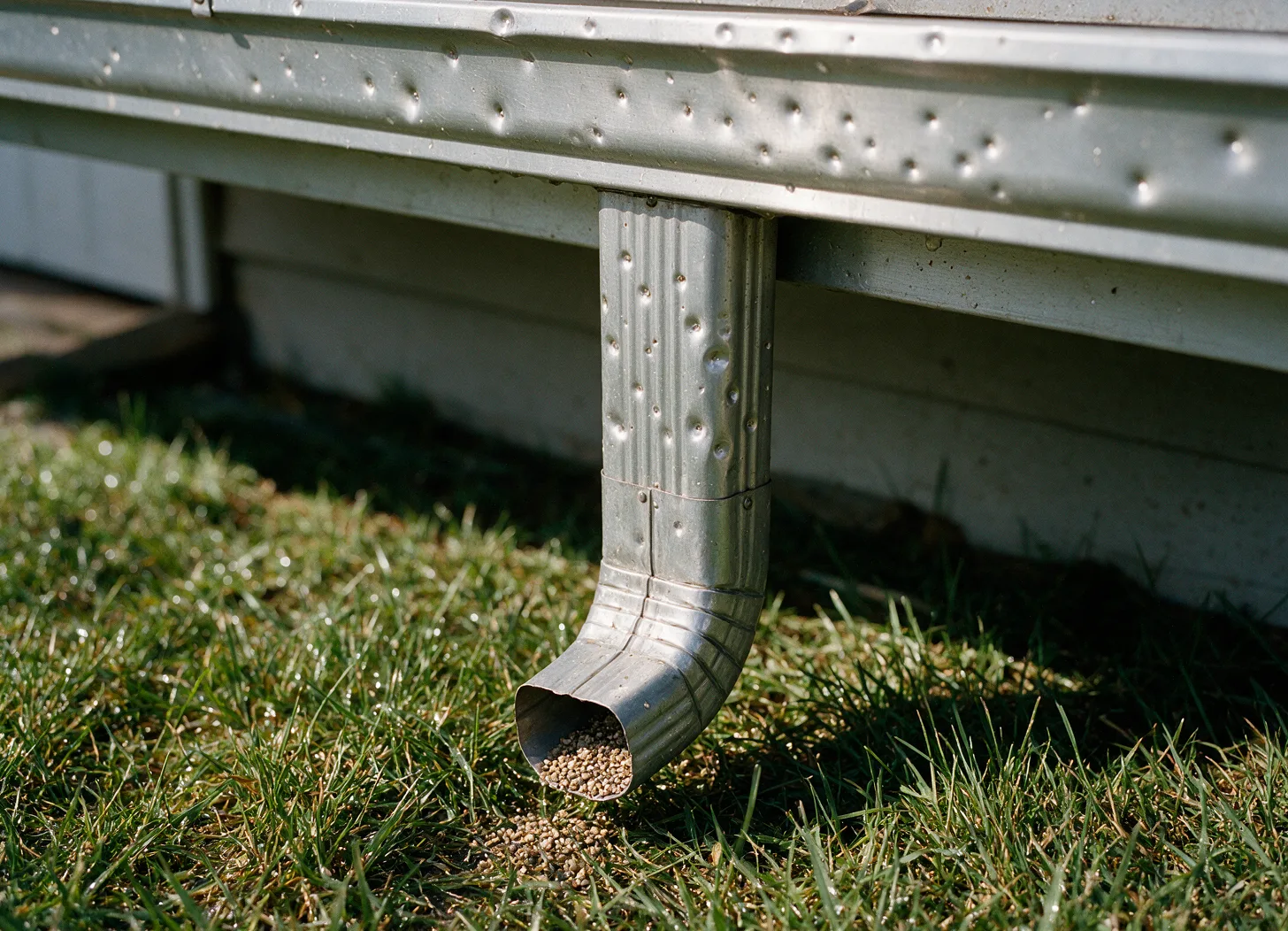
Detailed Documentation
Technicians record each hail bruise location, wind crease length, and water stain origin with measurements and photos for homeowner review.
Organized Site Practices
Work zones receive barriers and drop cloths while all removed materials are bagged immediately to keep grounds clear of debris.
Clear Damage Reports
Findings are presented using direct roof references so homeowners understand exactly which shingles or seams require attention.
Post Visit Cleanup
Technicians sweep perimeters and verify no tools remain before leaving, ensuring the property returns to its prior state.
Handling Service Calls
When a homeowner contacts Grand Island Roofing Solutions about storm effects, the conversation focuses on recent weather events and visible roof changes such as dents in asphalt or lifted edges. Technicians receive details on shingle condition and any interior ceiling marks before traveling to the site. This preparation allows them to bring specific tools for checking underlayment and deck integrity without unnecessary delays.
Our technicians confirm the location details during the call and note access points like gates or ladders already in place. They ask about any temporary measures the homeowner has taken, such as placing buckets under drips, to understand the current water flow patterns. This information guides the initial walk around the structure once on site.
Approaching the Job Site
Technicians begin each visit by walking the perimeter to observe gutter alignment and downspout function after high winds. They check for granule loss in low areas where hail may have concentrated and look for creases where wind has folded material over itself. Safety barriers are placed around work zones before any ladders are positioned against the eaves.
Interior checks follow exterior observations when water stains appear on ceilings. Technicians trace these marks upward to locate entry points at pipe boots or valley seams. Notes include measurements of affected areas and photographs of both the damage and surrounding undamaged sections for comparison.
Explaining Findings
After the inspection, technicians describe hail bruising as soft spots or fractures in the shingle surface that allow moisture to reach the mat layer. Wind creasing is shown as sharp folds that break the seal between courses. Water entry is pointed out at specific joints where sealant has separated or flashing has lifted, always using the actual roof features as reference.
Homeowners receive printed or digital summaries listing each observed condition with location markers. Technicians answer questions about how these issues developed from storm forces without suggesting future outcomes. Options for repair or replacement are outlined based solely on the documented damage extent.
Finishing the Work
During any tarping or repair, technicians secure edges with appropriate fasteners and seal penetrations to limit further water movement. Debris from removed shingles or old sealant is collected in designated containers rather than left on landscaping. Ladders and tools are removed only after the final walkthrough confirms the work area matches surrounding surfaces.
The site is checked for loose nails or granules on the ground before departure. Any temporary coverings are verified for wind resistance at seams and corners. Homeowners are shown the completed sections and receive guidance on monitoring those areas during the next rainfall.