Skip to content
Call (888) 718-8316

Our roofing services

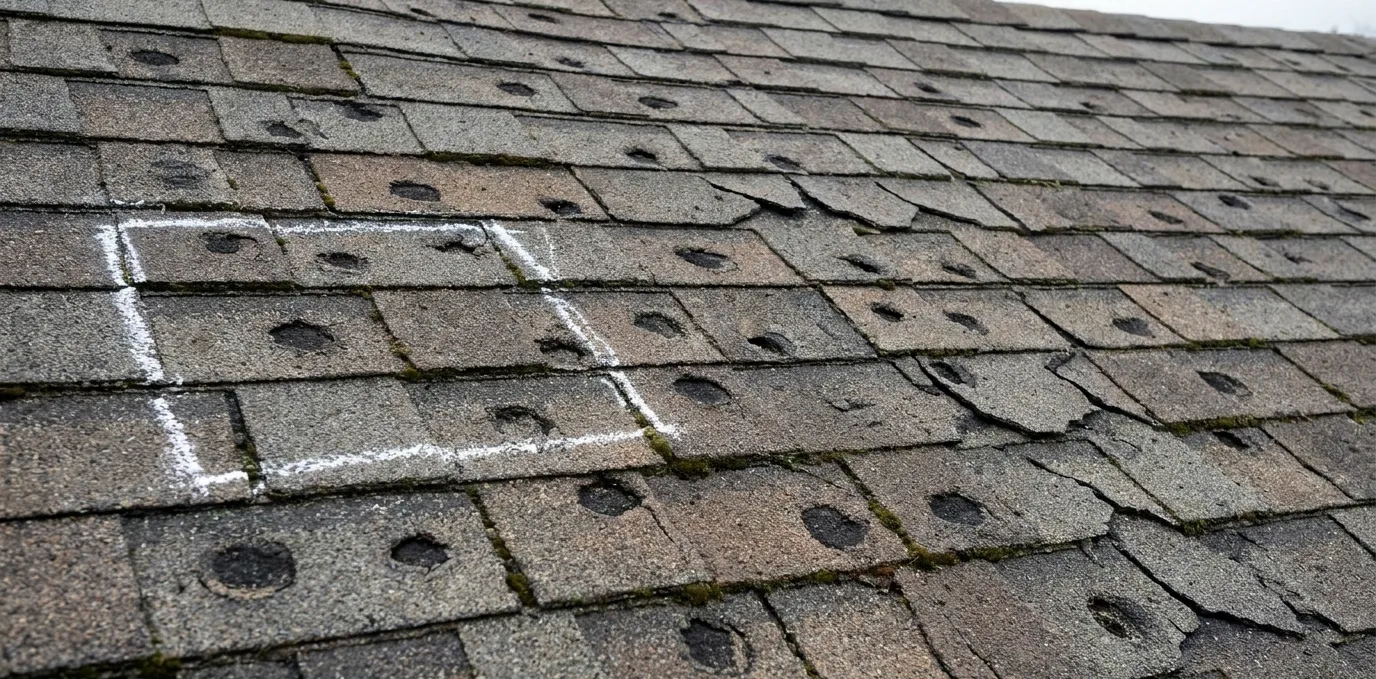
Hail strikes create circular bruises in asphalt shingles that weaken the surface layers over time and allow moisture to reach the underlayment. Our technicians examine granule loss patterns and soft spots to determine whether individual shingles can be replaced or if the entire roof surface requires attention after such events.

Strong winds lift shingles along edges and ridges, forming creases that open pathways for rain to enter the attic space. We trace these lifted areas back to their starting points and check flashing around vents and chimneys to stop ongoing water entry before it affects interior ceilings or insulation. Every service below is available from Grand Island Roofing Solutions across the USA.

Bruised shingles on a slope

Hail Damage Roof Repair

Technicians locate the dented and cracked shingles caused by hail and remove only those pieces while leaving surrounding material intact. New shingles are cut to match existing color and texture so the repaired section blends without creating visible lines that could collect debris or water.
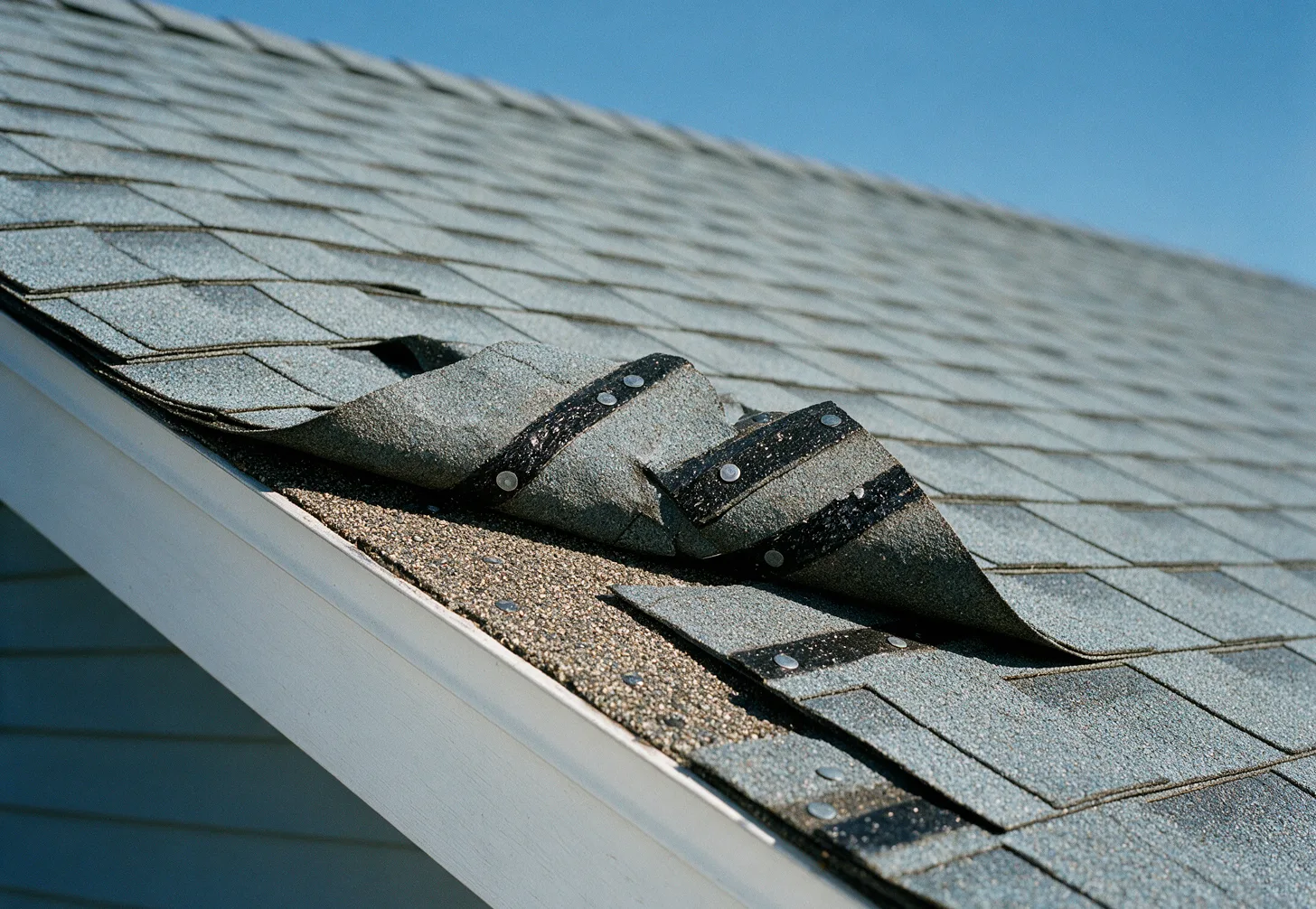
Creased and lifted shingles

Wind Damage Roof Repair

Wind lifts shingle tabs and breaks the sealant strips that hold them down. We re-secure or replace the affected tabs and apply new sealant beads at the correct temperature so they adhere properly and prevent future uplift during additional storms.

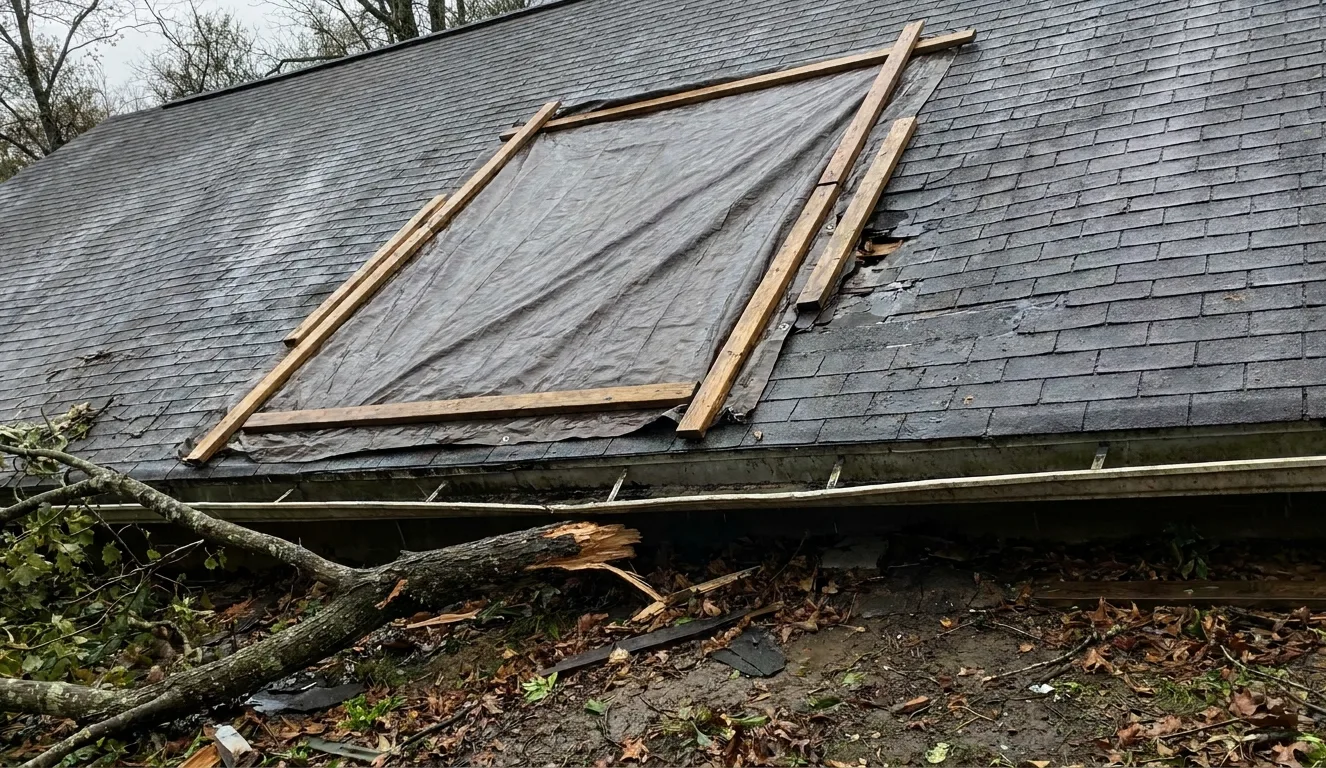
A tarp over storm damage

Emergency Roof Tarping

After impact damage opens holes, we fasten heavy-duty tarps over the exposed sections using battens and screws that hold against further wind. This temporary cover keeps rain from reaching the decking until permanent repairs can be scheduled.

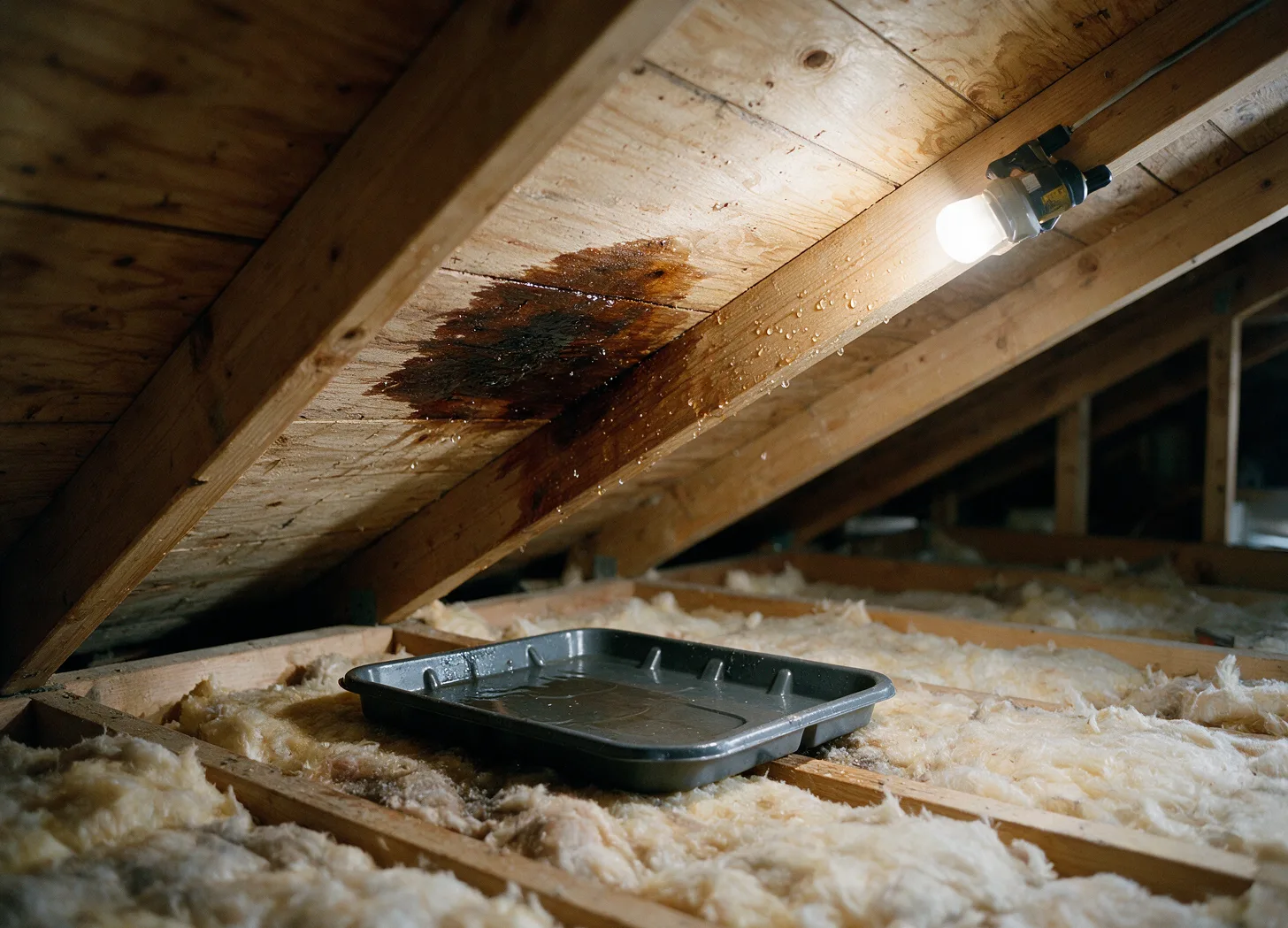
A drip pan in an attic

Roof Leak Repair

Leaks often start at nail holes, ridge vents or valley intersections after wind-driven rain. We follow water stains in the attic to the entry point, lift the surrounding shingles, and install new flashing or sealants that direct water back onto the roof surface.

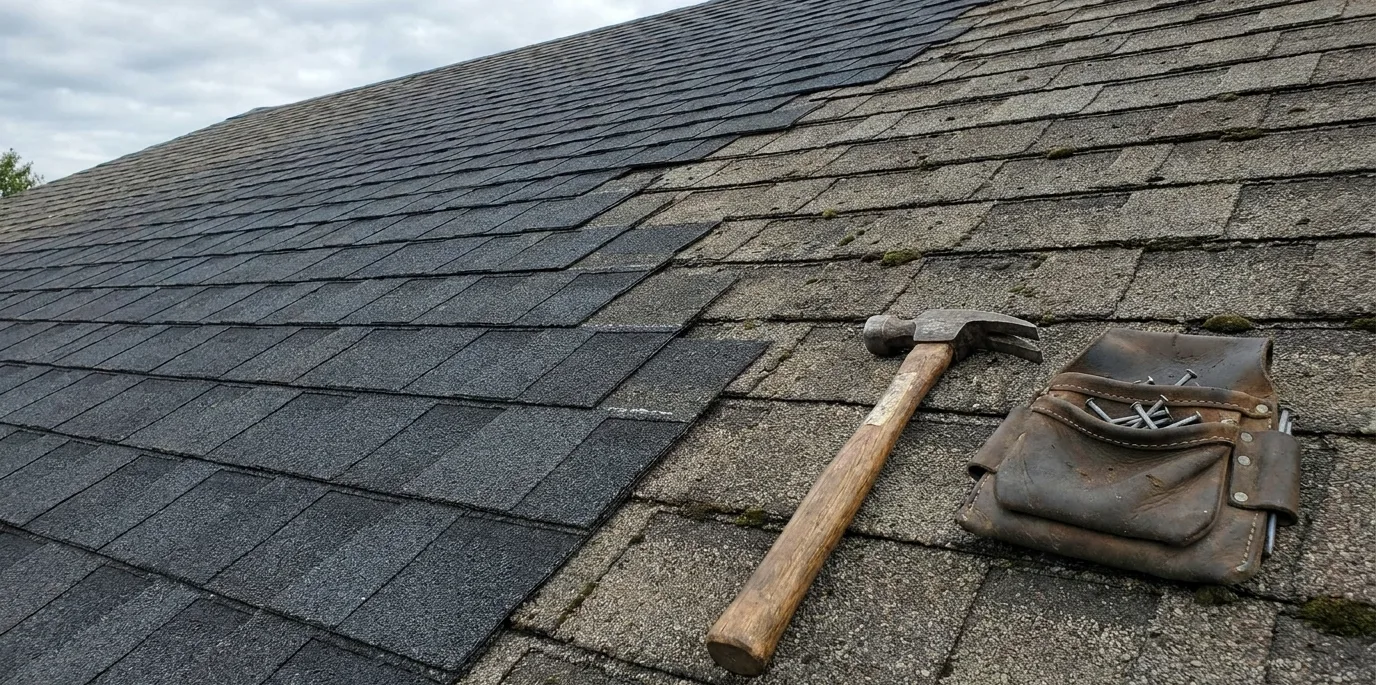
New shingles worked into an old roof

Shingle Repair

Missing or torn shingles expose felt paper to ultraviolet light and moisture. Replacement pieces are slid under adjacent tabs and nailed in the factory locations so the repair maintains the same wind resistance as the original installation.

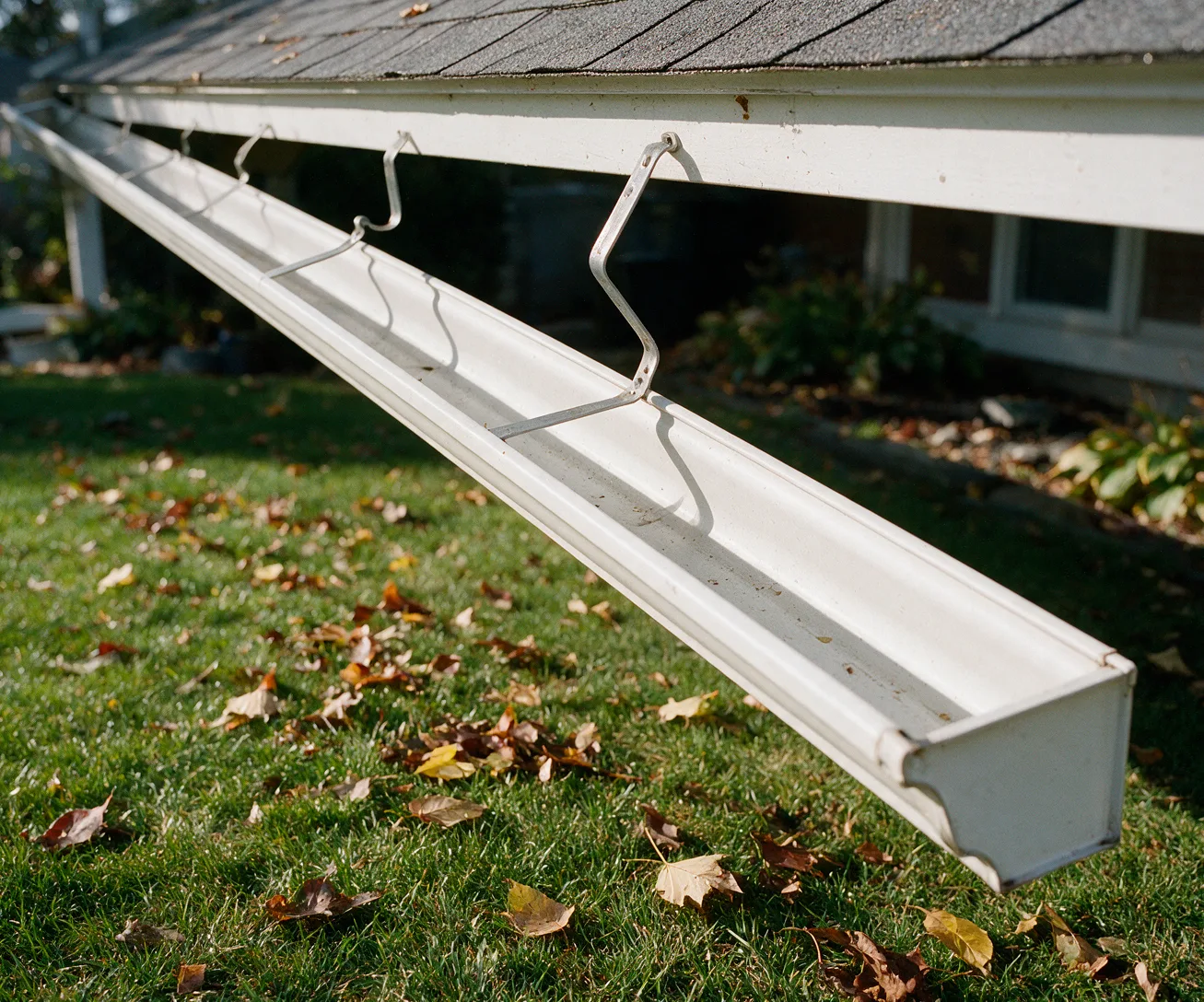
A gutter torn loose by wind

Gutter Repair

Wind can twist or pull gutters away from the fascia, causing water to spill behind the board and soak the roof edge. We realign hangers, replace damaged sections, and ensure downspouts remain clear so runoff moves away from the foundation.

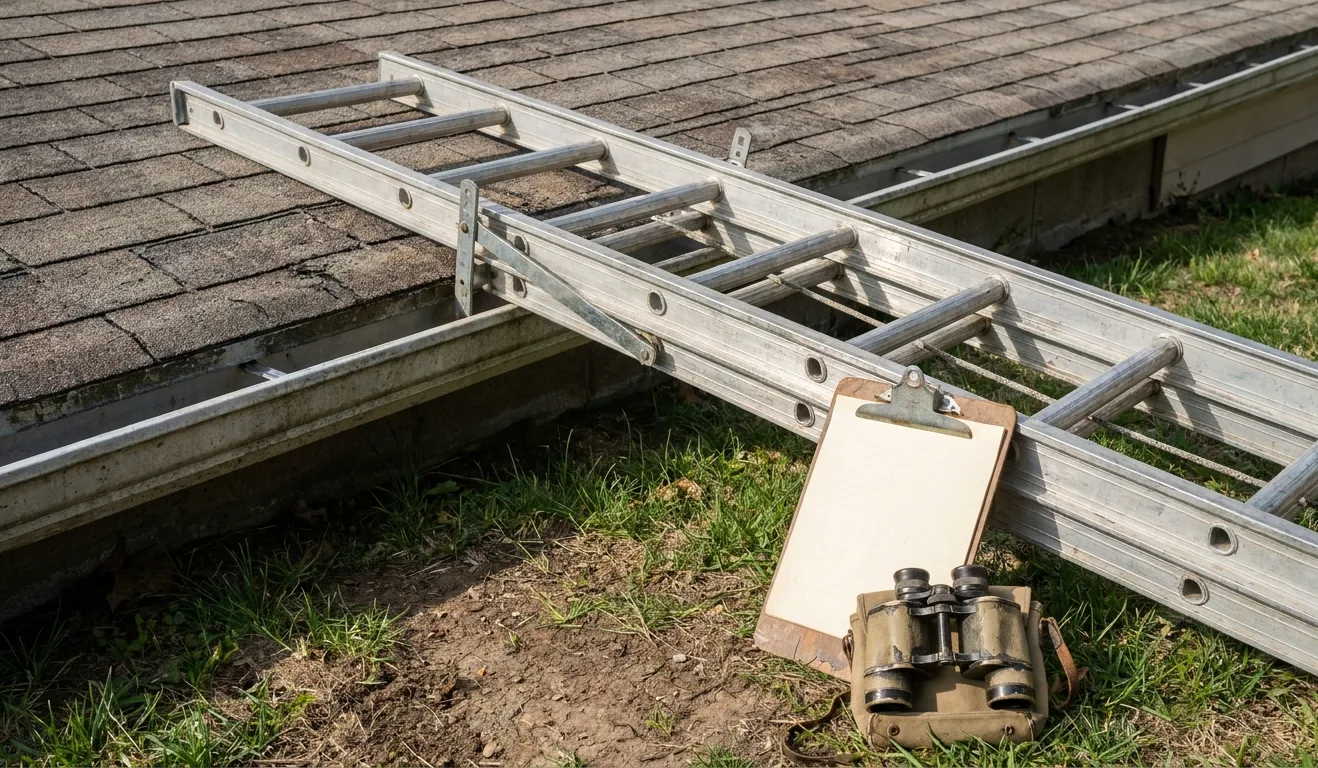
A ladder set for a roof inspection

Roof Inspection

After storms we walk the entire surface and check for granule loss, creased tabs, lifted flashing and punctures in the underlayment. A written record of each finding helps homeowners track changes between weather events.

A roof dried in with new underlayment

Roof Replacement

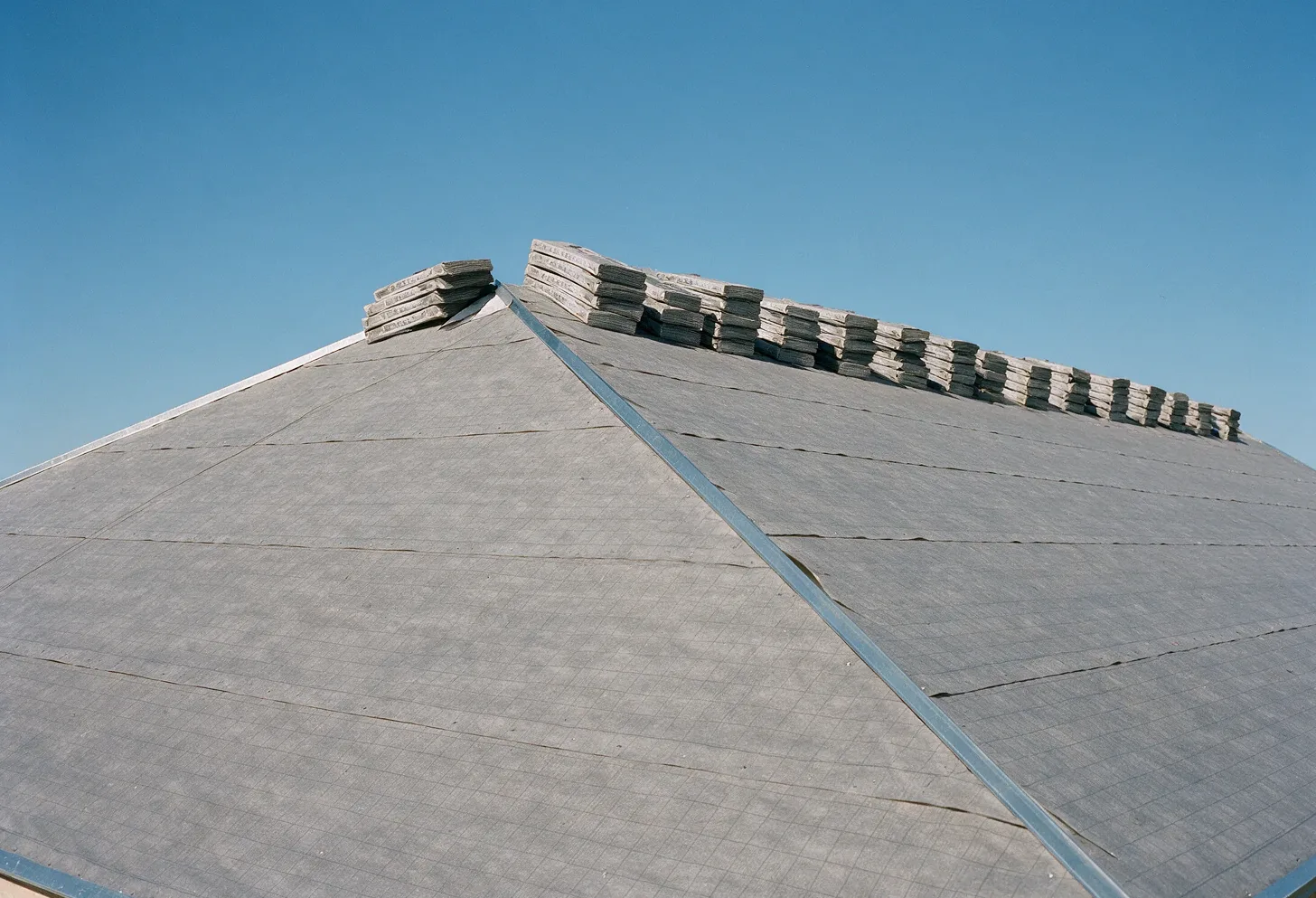
When multiple layers show widespread bruising and creasing that cannot be isolated, we remove the old materials down to the deck. New underlayment, ice-and-water shield at eaves, and shingles are installed to current manufacturer specifications for the prevailing wind zone.

Matching the right service to observed conditions

Homeowners can begin by photographing any visible granule piles in gutters, soft spots when walking the roof edges, or water stains on interior ceilings. These details point toward hail damage, wind uplift, or active leaks and guide which service page to review first.

Next, note whether the issue is limited to one area or appears across multiple slopes and whether gutters are pulling away. Limited damage usually matches shingle repair or leak repair while widespread creasing or missing sections often leads to inspection or replacement discussions with our technicians.

Talk to Grand Island Roofing Solutions

Call (888) 718-8316