
Roof Inspection in the USA
Grand Island Roofing Solutions technicians examine roofs after storms by measuring granule loss on shingles and checking for creases along edges where wind has folded material. They trace water stains on underlayment to find entry points created by hail impacts that crack the surface without removing pieces. This inspection identifies which areas need targeted repairs or full replacement using matching asphalt shingles or metal panels.
Our crews measure slope angles and note ventilation gaps that affect moisture flow during heavy rain following wind events. They test flashing around vents and chimneys for separation caused by repeated hail strikes that loosen seals. Homeowners can first photograph any visible dents or lifted tabs from the ground and cover interior leaks with plastic sheeting until the team arrives. Document bruised shingles with photos prior to Grand Island Roofing Solutions arriving for roof inspection across USA areas.
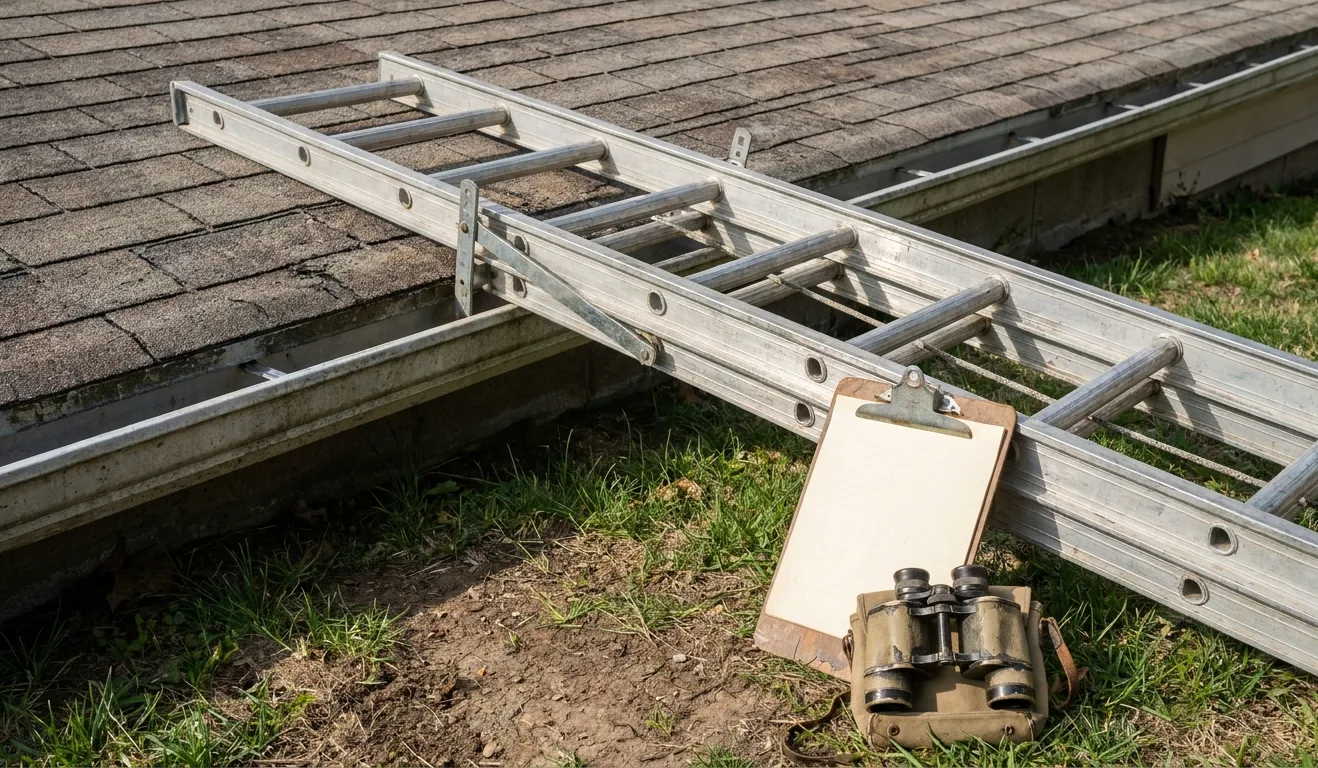
Visible Indicators After Storms
- Dents appear on shingle surfaces from hail strikes.
- Granules collect in gutters after wind lifts layers.
- Creases form along shingle edges from gust pressure.
- Water stains show on ceilings below roof deck seams.
- Flashing separates at joints where repeated impacts occurred.
Storm Causes That Require Inspection
Hail creates small bruises that weaken the asphalt coating and allow ultraviolet light to degrade the mat underneath over time. Wind drives rain under lifted tabs and forces water along nail lines into the deck. Grand Island Roofing Solutions technicians map these entry paths during every inspection to prevent hidden rot from spreading into attic insulation.
Repeated freeze thaw cycles after initial storm damage expand small cracks until they reach the underlayment. Technicians note the direction of prevailing winds during the event because this determines which slopes receive the most impact. They also record the age and type of existing shingles to decide whether patch repairs will hold or if replacement sections are needed.
Details Technicians Measure on Site
Technicians count the number of hail bruises per square and check granule coverage with a magnifying lens to determine remaining life. They probe soffit and ridge vents for blockages that trap moisture after wind driven rain enters the attic. Measurements include deck thickness at exposed edges and the condition of step flashing under each course of shingles.
Water entry points are marked with chalk after a moisture meter reading confirms saturation levels in the deck. Grand Island Roofing Solutions crews photograph every finding and note the exact slope degrees so replacement materials can be ordered with correct nailing patterns. They also inspect gutter seams for separation that allows overflow back under the eaves.
Repair and Replacement Choices
Minor hail bruises can be sealed with asphalt roof cement applied from the ridge down after the surface dries. Wind creased shingles are replaced individually by sliding new tabs under adjacent courses and securing them with ring shank nails. Grand Island Roofing Solutions carries matching three tab and architectural shingles to maintain uniform appearance on partial repairs.
When inspections reveal widespread granule loss across multiple slopes the crew recommends section replacement using synthetic underlayment for added water resistance. Metal edge trim is installed at gable ends to prevent future wind lift. All work uses color matched fasteners and sealant that expands and contracts with temperature changes.
Steps Homeowners Take Before Arrival
Clear fallen branches from the yard so technicians can place ladders safely on all sides of the structure. Move vehicles away from the roof line to avoid damage from any debris that may shift during close examination. Note the time and direction of the storm on paper so the inspection can focus on the most affected slopes first.
Place buckets under any active interior drips and photograph the locations to help correlate with exterior damage. Avoid walking on the roof because additional foot traffic can widen existing creases or push granules off weakened areas. Grand Island Roofing Solutions will arrive with tarps and temporary fasteners if water entry is confirmed during the inspection.
Roof Inspection questions
What does a roof inspection check for after hail?
Technicians count bruises per square and test for granule loss that exposes the fiberglass mat. They trace water paths along nail lines and check flashing for separation. Measurements include deck moisture levels and ventilation clearance so repair plans address both visible and hidden storm effects.
How do wind creases lead to leaks?
Wind folds shingle edges and creates channels that direct rain under the course. Technicians lift tabs to inspect for creases and measure how far water has traveled along the underlayment. They recommend replacing affected shingles and adding sealant at the new nail points to restore the original water shedding pattern.
What materials are used during inspection related repairs?
Matching asphalt shingles, synthetic underlayment, and ring shank nails secure replacement sections. Asphalt cement seals small bruises while color matched metal trim protects exposed edges. All sealants expand with temperature shifts to maintain coverage around vents and flashing after storm repairs.
Can homeowners document damage safely?
Photograph dents and lifted tabs from the ground or a stable ladder positioned on solid surfaces. Record interior water stains and note storm timing to guide the inspection focus. Avoid roof access because added weight can widen creases or dislodge loose granules before technicians evaluate the full extent.
Request Roof Inspection
Contact Grand Island Roofing Solutions to schedule a detailed Roof Inspection across the USA after any storm event.